How to Create DNA Diamonds: Step-by-Step Guide

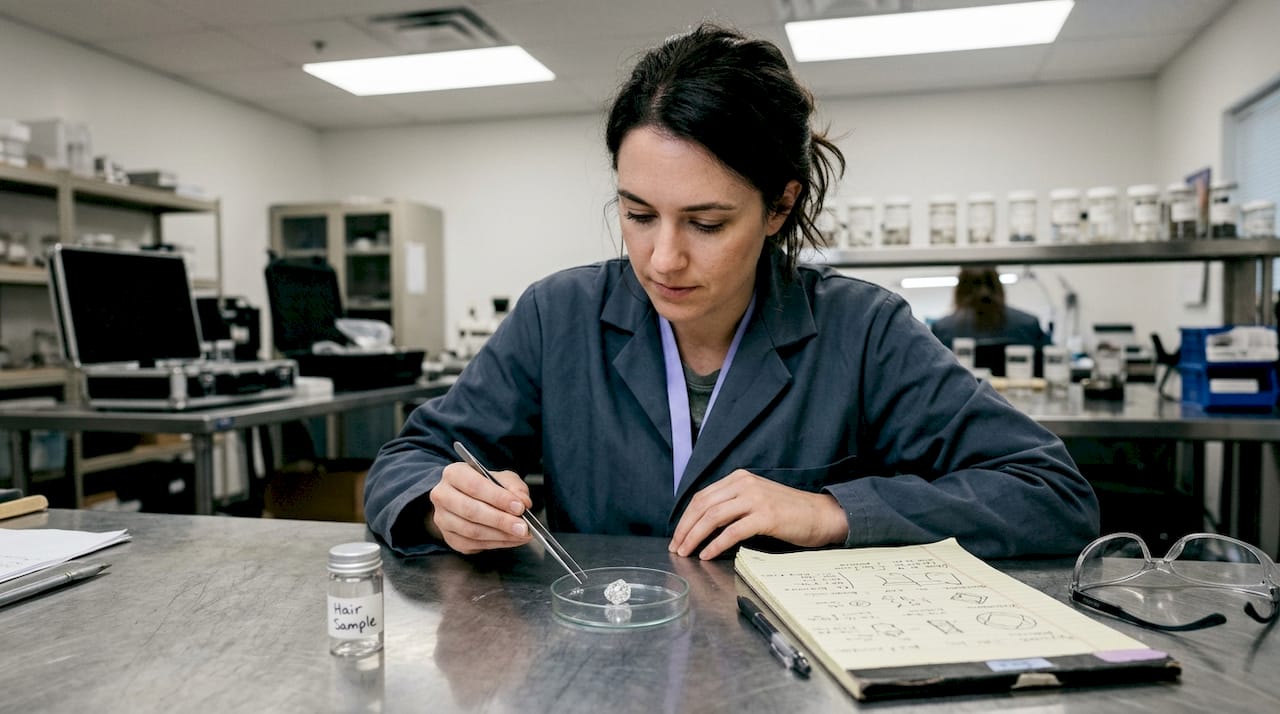
There is something quietly extraordinary about wearing a diamond shaped by your own existence. Not a ring selected from a catalog, not a stone chosen for its clarity alone, but a gem grown from carbon drawn out of your hair, your nails, or the remains of someone you love. The concept of a DNA diamond carries enormous emotional weight, and that weight deserves honesty. No intact DNA survives the transformation into a diamond; what survives is the carbon, and with it, the story. This guide walks you through the full process so you can approach it with clear eyes and a full heart.
Table of Contents
Key Takeaways
Point | Details |
Emotional symbolism | DNA diamonds connect emotionally by using carbon from your biological material, not your genetic code. |
Scientifically sound process | The process converts DNA samples to pure carbon before lab diamond synthesis in certified facilities. |
Choose trusted providers | Work only with established specialists who provide transparent certification for genuine personalized diamonds. |
No DIY option | DNA diamond creation cannot be done at home due to the need for advanced lab technology. |
What makes a DNA diamond special?
Let’s be direct about something most luxury brands gloss over: a DNA diamond does not contain your genetic code. What it does contain is elemental carbon sourced from a biological sample that once held your DNA. That distinction matters, because it separates a genuine luxury keepsake from a misunderstood one.
The symbolic value is real and profound. The carbon extracted from your hair or nails literally becomes part of the crystalline structure of your diamond. That physical thread, even without intact genetic information, creates a bond between the stone and its origin that no traditionally mined diamond can claim.
Why do affluent buyers choose DNA diamonds? Here are the most common reasons:
Commemoration: Honoring a person who has passed, using their hair, ashes, or nail clippings as the source material
Milestone marking: Celebrating a wedding, birth, or personal achievement with a stone that carries a literal piece of the moment
Legacy creation: Building an heirloom with provenance that is traceable and deeply personal
Exclusivity: No two diamonds grown from different samples are identical, even at the molecular carbon level
The emotional architecture of bespoke DNA diamond luxury is built on this singular truth: the stone came from you. Not from a mine in South Africa or a generic lab batch, but from a specific biological moment in time.
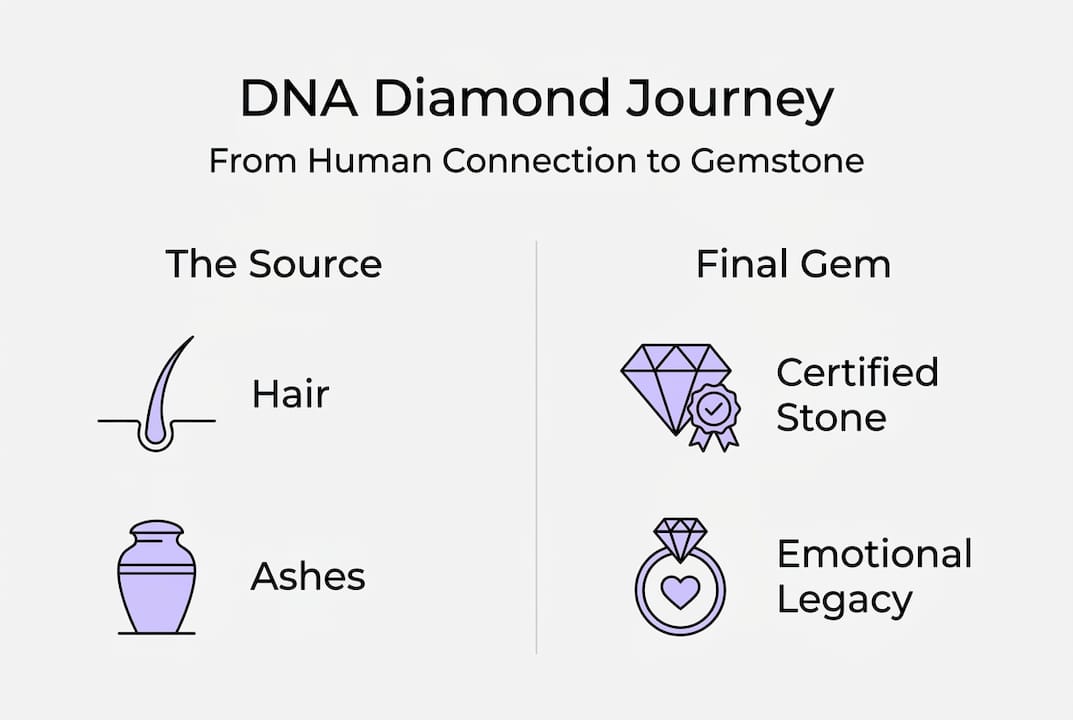
For those creating memorial jewelry diamonds, the connection goes even deeper. A grieving family member can hold a finished gem and know, in a very literal sense, that it contains carbon drawn from someone irreplaceable.
Statistic to note: The global lab-grown diamond market is projected to exceed $37 billion by 2030, driven in part by growing demand for personalized and memorial stones. The category is not a niche curiosity. It is a rapidly expanding segment of the luxury jewelry world.
With the promise and limitation of personalization clarified, let’s explore what you need to begin the process.
Gathering and preparing your DNA sample
Once you understand the emotional weight of DNA diamonds, it’s time to collect the first essential ingredient: your own biological sample.
Not every sample type is equal. Carbon sourced from biological samples such as hair, nails, saliva, and ashes varies in purity, quantity, and ease of preparation. Your provider will guide you, but arriving informed saves time and protects the integrity of the process.
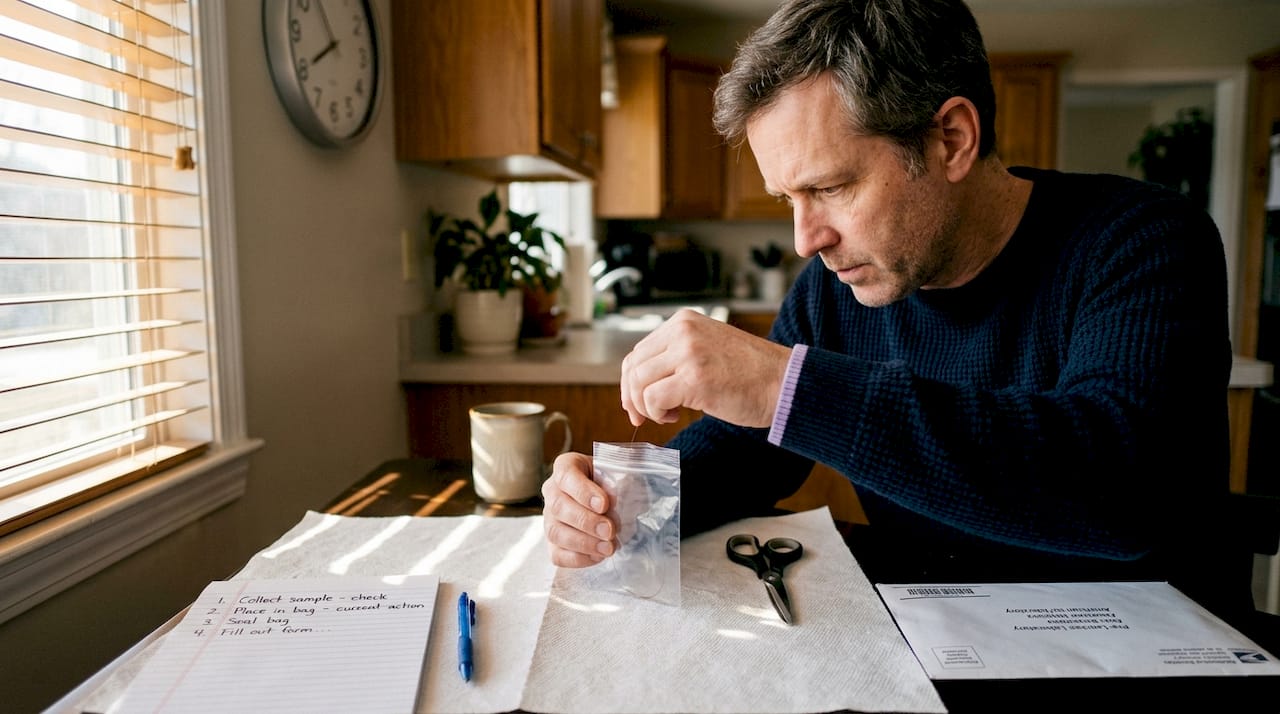
Here is a breakdown of the most common sample types:
Sample type | Pros | Cons | Preparation notes |
Hair | Easy to collect, high carbon yield | Must be clean and dry | Wash, air-dry, avoid product buildup |
Nails | Dense carbon content | Requires significant quantity | Clip cleanly, remove polish thoroughly |
Ashes (cremated remains) | Deep sentimental connection | Variable carbon purity | Use certified container, no mixing |
Saliva | Painless collection | Lower carbon concentration | Use sterile collection kit from provider |
Before you send anything, consider these preparation essentials:
Collect at least the minimum quantity specified by your provider (typically 5 to 10 grams for hair or nails)
Store samples in sealed, clean containers away from moisture or heat
Avoid contamination from dirt, oils, or other biological matter
Label everything clearly with your name and sample date
Review our personalized memorial gems guide before your first collection, especially if you are working with ashes, which require more careful handling.
Pro Tip: Contact your diamond provider before collecting your sample. Many labs have specific protocols around minimum quantity, contamination prevention, and shipping. Following their exact instructions prevents delays and protects the sentimentality of the material.
Handling the sample well is not just a practical concern. For most clients, this material is irreplaceable. Treating it with care from the very first step honors the entire purpose of the process.
From sample to carbon: The science behind the transformation
With your sample collected, the real transformation takes place in highly specialized labs.
The journey from a lock of hair to a rough diamond involves several precise stages. Providers do not simply drop your sample into a machine. The transformation is methodical, controlled, and irreversible.
Here is how it unfolds, step by step:
Chemical cleaning: The sample is washed with solvents to remove oils, proteins, and surface contaminants
Calcination: The material is heated in a controlled environment to burn away organic compounds, leaving behind concentrated carbon
Purification: The carbon is refined further to remove trace impurities that could compromise diamond quality
Carbon integration: The purified carbon is integrated into either a CVD or HPHT growth process
Crystal growth: The diamond forms over days or weeks under precise temperature and pressure conditions
Important: This process destroys all molecular DNA structure. No intact DNA survives in the final diamond. What remains is elemental carbon, not genetic information.
The two primary synthesis methods used today differ in meaningful ways:
Feature | HPHT (High Pressure High Temperature) | CVD (Chemical Vapor Deposition) |
Process | Mimics natural geological pressure | Grows diamond layer by layer from gas |
Typical use | Memorial diamonds from ashes | Precision stones with controlled purity |
Growth time | Several days | One to several weeks |
Resulting quality | High, often with warm tones | Very high clarity potential |
Carbon source flexibility | Excellent for ash-based carbon | Well-suited for hair and nail carbon |
For a deeper look at each stage, the stepwise diamond creation process and creation from DNA to diamond resources are worth reviewing before selecting a provider.
The science is sophisticated, but the outcome is accessible: a chemically authentic diamond grown from a material that once belonged to you or someone you love.
Diamond synthesis: Crafting your one-of-a-kind gem
After pure carbon is isolated, your diamond begins to take shape in controlled, state-of-the-art facilities.
The growth phase is where patience becomes a virtue. Depending on the method and the desired carat size, crystal formation takes days to weeks. Rushing this stage compromises quality, and no reputable provider will do it.
Here is what the full production journey looks like from carbon to finished gem:
Seeding: A tiny diamond seed crystal is placed into the growth chamber to initiate crystal formation
Growth phase: Carbon is deposited onto the seed under precise conditions until the rough diamond reaches its target size
Cutting and polishing: Skilled gemologists cut the rough stone to maximize brilliance, choosing from round, oval, cushion, or other shapes
Grading: The finished diamond is assessed for the four Cs (cut, clarity, color, and carat weight)
Certification and presentation: The stone is certified by a recognized gemological lab and delivered with full documentation
Established providers in this space include Eternal Diamond, Saint Diamonds, and Solo for Diamonds, each offering variations on CVD and HPHT synthesis using personal carbon samples.
Pro Tip: Only work with providers who supply a gemological certificate alongside your diamond. This document should confirm the stone is lab-grown and specify its characteristics. Without this, you have no independent verification of what you are holding.
Explore diamond personalization examples to understand what finished stones look like across carat weights and cuts. Reviewing intimate diamonds and DNA can also help you set realistic expectations before committing to a provider.
The result, when done correctly, is a certified, genuine diamond with a provenance no mined stone can match.
Why the allure of DNA diamonds is more symbolic than scientific
Here is the uncomfortable truth that most providers would rather not say clearly: when you hold your finished DNA diamond, you are not holding your DNA. You are holding your carbon. That is a real distinction, and pretending otherwise is a disservice to buyers who deserve to understand what they are investing in.
The symbolism is not diminished by this reality. It is clarified. Carbon is the element that life is built from. It is in every cell, every strand of hair, every fragment of bone. When that carbon becomes a diamond, it carries something elemental and undeniable.
But affluent buyers need to watch for providers who imply genetic preservation or DNA encoding in the final stone. Those claims are not scientifically supportable. What you should demand instead is transparent documentation of the synthesis method, the source of the carbon, and the gemological grading of the finished stone.
The bespoke diamonds legacy worth investing in is one rooted in honesty: a stone grown with care, certified with rigor, and meaningful because of what it represents, not because of a marketing claim about preserved DNA.
Focus on providers who explain the process clearly, welcome your questions, and deliver certified results.
Bring your DNA diamond vision to life with expert guidance
Turning a deeply personal idea into a certified, exquisitely finished diamond requires more than a good story. It requires a partner who understands both the science and the sentiment.
At ShineLabz, we guide you through every stage of the process, from sample collection to final presentation, in as little as two hours for the infusion itself. Our custom jewelry design services combine technical precision with a genuine understanding of what makes each diamond meaningful. Whether you are creating a memorial keepsake or a personal milestone stone, our team is ready to help. Book a consultation today, or explore our diamond keepsakes overview to see what is possible when legacy meets craftsmanship.
Frequently asked questions
Do DNA diamonds contain my actual DNA?
No, the final diamond contains only carbon sourced from your sample. The molecular DNA structure is destroyed during the calcination and synthesis process, leaving elemental carbon only.
Which body materials can be used for a DNA diamond?
Hair, nails, saliva, and ashes are all commonly accepted. Each biological sample type yields carbon that can be purified and used in diamond synthesis.
Can I grow a DNA diamond at home?
No. The process requires industrial growth chambers, high-precision temperature controls, and gemological expertise that no home setup can replicate. Specialized lab equipment is essential at every stage.
How do I verify the authenticity of a DNA diamond?
Request a gemological certificate from a recognized independent lab alongside your finished stone. Reputable providers supply transparent documentation confirming the diamond is lab-grown and certified with full grading details.
Recommended
Comments