Custom diamonds: Personalized luxury gems for collectors

Every diamond tells a story, but most tell someone else’s. The shift happening among discerning collectors right now is profound: high-net-worth individuals are no longer satisfied with extraordinary gemstones that carry no personal connection. They want diamonds physically linked to their history, their loved ones, and their identity. Whether that means a 10-carat stone cut to a bespoke specification or a gem grown from the carbon of someone irreplaceable, the definition of luxury is being rewritten at a molecular level. This guide cuts through the noise, clarifies what is actually possible, and gives you the information you need to make an informed, meaningful decision.
Table of Contents
Key Takeaways
Point | Details |
Bespoke customization defined | True custom diamonds require careful selection of high-grade stones and personalized settings. |
Lab-grown precision | Modern technology enables exact specifications in color, shape, and carbon source for luxury diamonds. |
Memorial diamonds process | Carbon from ashes or hair is transformed into diamonds with certified traceability, but DNA is not preserved. |
DNA symbolism vs reality | Genetic inspirations in jewelry are symbolic, as biological DNA does not survive diamond creation. |
Pricing and emotional value | Memorial diamonds start at $1600, but their emotional worth far exceeding market resale for many clients. |
What makes a diamond truly custom?
Having outlined common misconceptions, let’s clarify what truly sets custom diamonds apart. The word “custom” gets used loosely in the jewelry industry. A retailer offering engraving or a choice of band metal is not delivering a custom diamond. True customization operates at every level of the stone and its setting.
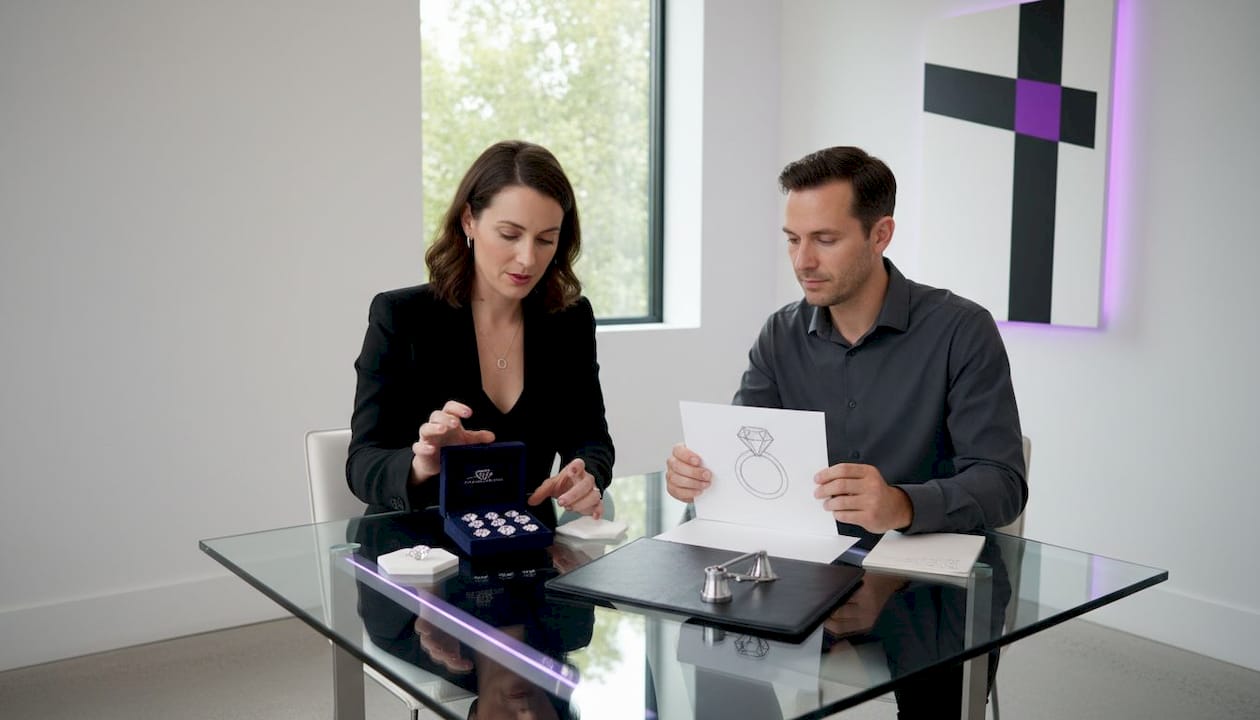
For high-net-worth clients, a custom diamond typically begins with selecting a loose stone with exact 4Cs specifications, then designing a bespoke setting using CAD and precision casting, often for high jewelry pieces exceeding 7 carats. That process involves your direct input at each stage, from proportions of the cut to the prong geometry on the setting.
What separates a genuinely custom diamond from a standard piece:
Specific cut proportions negotiated with the cutter, not chosen from a catalog
Color grade targeted to flatter the setting metal and skin tone, typically D through F for white diamonds
Clarity selected with an eye toward the stone’s structural integrity at large carat weights
Setting designed in CAD and reviewed by the client before casting in platinum or 18K gold
Diamond creation from DNA or memorial carbon for clients who want the stone itself to carry meaning
“Customization at the highest level is not about choosing from options. It is about eliminating options that do not serve your vision.”
The most significant innovation in this space is how custom diamond inspiration from memorial or biological sources transforms what a diamond actually represents. No longer purely a mineral asset, it becomes an artifact of legacy.
The science and artistry of lab-grown custom diamonds
Now that we have identified the features that define a custom diamond, let’s explore how technology enhances personalization even further. Two primary methods produce lab-grown diamonds at the quality levels luxury clients expect: Chemical Vapor Deposition (CVD) and High Pressure High Temperature (HPHT). Both deliver stones that are chemically, optically, and physically identical to natural diamonds.
According to custom lab diamond design standards, clients can specify exact shape, size, color, and clarity through CVD or HPHT growth, with the finished stone graded by GIA, IGI, or AGS for full certification transparency. The step-by-step process looks like this:
Client consultation: Specify desired shape (round brilliant, oval, emerald, pear), target carat weight, color range, and clarity grade
Growth phase: Diamond seeds are placed in the growth chamber; CVD deposits carbon atom by atom, while HPHT mimics the Earth’s mantle conditions
Post-growth processing: The rough diamond is evaluated, oriented for optimal yield, and sent to a certified cutter
CAD design: The setting is engineered digitally, allowing the client to approve every angle before a single gram of metal is cast
Casting and finishing: A wax model is produced, then cast in the chosen metal, hand-set with the grown stone, and polished to final specification
Certification: GIA, IGI, or AGS provides a grading report, establishing the diamond’s documented identity
Feature | CVD process | HPHT process |
Typical clarity | VS1 to IF | VVS1 to IF |
Color range | D to J | D to J |
Best for | Large colorless stones | Colored and memorial diamonds |
Growth time | 2 to 4 weeks | 2 to 6 weeks |
Carbon source flexibility | High | Very high |
Pro Tip: If you are commissioning a memorial diamond from biological carbon, HPHT is almost always the method used because of its ability to process the purified graphite derived from organic matter.
For clients interested in personalized memorial gem creation, understanding which process applies to your commission ensures you ask the right questions during consultation and set accurate expectations for timeline and outcome.
Memorial diamonds: Transforming memories into everlasting gems
Building on lab-grown technology, let’s examine the remarkable process of turning memories into tangible luxury. Memorial diamonds are among the most emotionally significant commissions in the luxury jewelry world, and the science behind them is genuinely remarkable.
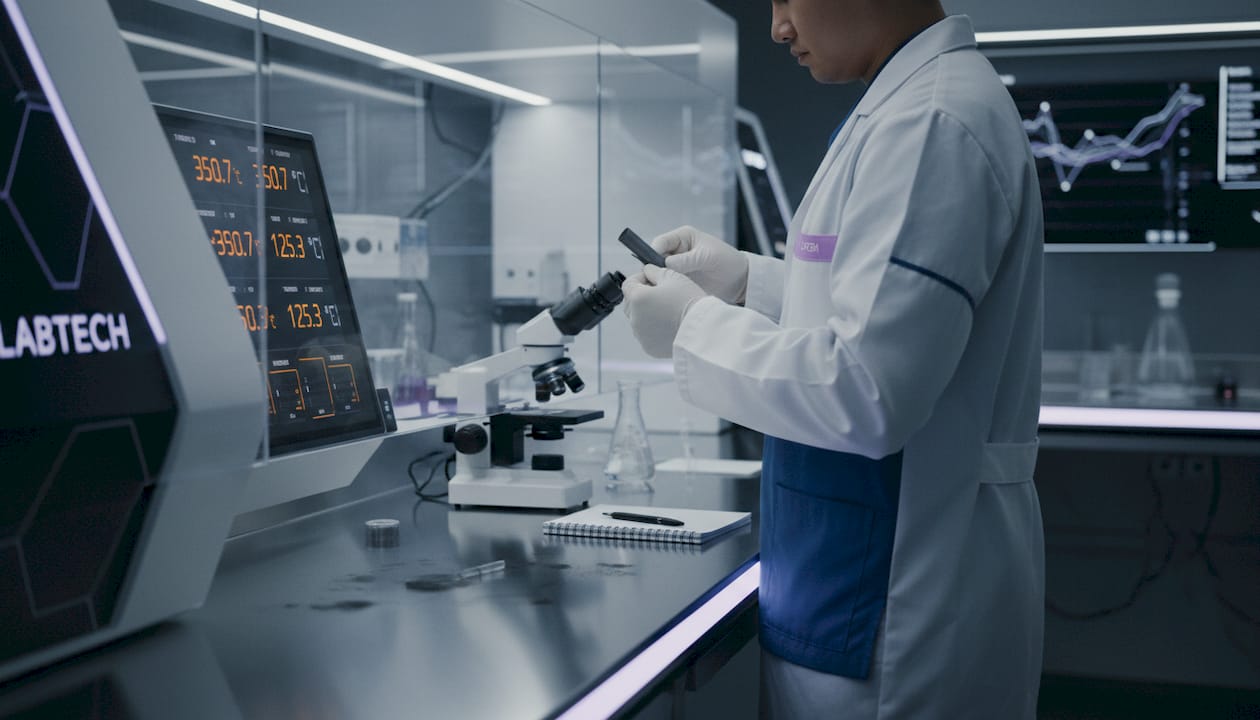
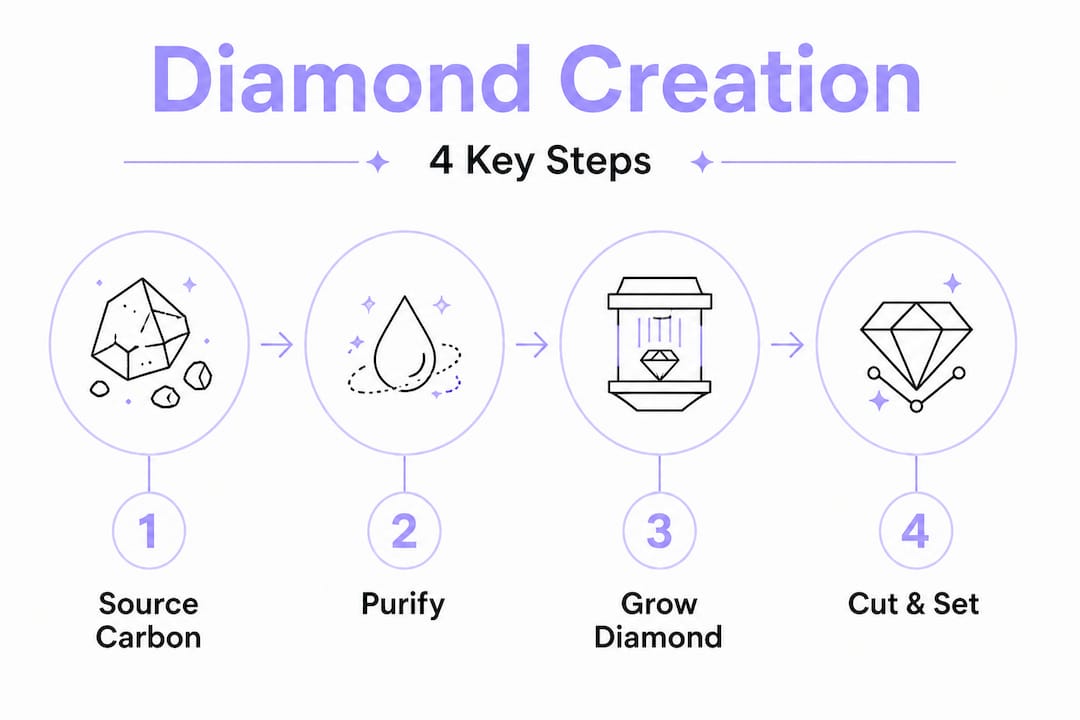
The process begins with carbon-rich biological material, typically cremated remains (requiring approximately 100 grams) or hair (a meaningful lock is sufficient). That material undergoes rigorous purification to isolate pure carbon, which is then converted to graphite. The graphite becomes the growth medium for HPHT crystallization, producing a diamond that is chemically identical to any natural stone, cut and polished to specification, and optionally submitted for GIA or IGI grading.
Key facts every client should understand before commissioning a memorial diamond:
The entire process from material submission to finished stone takes 4 to 8 months
No biological DNA survives the purification process; the connection is symbolic and carbon-based, not genetic
The diamond can be grown in colorless, yellow, blue, or other color variants depending on trace elements in the carbon source
If insufficient carbon is available, ethical supplementation with laboratory-grade carbon maintains the integrity of the commission
GIA and IGI grading is optional but recommended for full documentation
Aspect | Memorial diamond | Standard lab diamond |
Carbon source | Ashes or hair | Industrial carbon |
Emotional significance | Very high | Standard |
Certification | Optional GIA/IGI | Standard GIA/IGI |
Timeline | 4 to 8 months | 8 to 12 weeks |
Color options | Yellow, blue, colorless | Full range |
“What you hold in your hand is a real diamond in every scientific sense. What makes it irreplaceable is the story it carries.”
The eternal ashes to diamonds process resonates most deeply with clients who have lost someone they cannot imagine forgetting. The stone does not replicate the person. It honors them with something as permanent as their impact on your life.
Collectors who explore memorial jewelry made personal often report that the finished diamond changes how they carry grief, not by erasing it, but by giving it a form they can wear, gift, or pass down.
DNA inspiration: What’s actually possible in custom commemorative jewelry?
With memorial diamonds demystified, let’s move to the question of DNA itself—what does and does not end up in your custom jewelry? This is the area where marketing language most frequently outruns scientific reality, so precision matters enormously.
The honest answer is that true DNA cannot be preserved within a diamond lattice. The purification process required to transform biological material into growth-ready graphite destroys all biological DNA. The final gem is pure carbon crystal. The connection is symbolic and deeply meaningful, but it is not genetic in a scientific sense.
What IS genuinely possible in DNA-inspired commemorative jewelry:
Genetic pattern jewelry: Services that sequence your STR (short tandem repeat) markers from a cheek swab and translate those unique genetic markers into bead patterns using pearls, semi-precious stones, or precious metals
Custom etchings: Your actual diamond can bear laser-etched text, symbols, or codes on its girdle that reference genetic or memorial information
Bespoke motifs: Design elements drawn from the aesthetic language of DNA structure, such as helix-inspired prong configurations or spiral settings
Carbon-source diamonds: Diamonds grown from biological carbon carry a genuine material connection, even without surviving DNA
Pro Tip: If the symbolic connection matters more to you than the technical claim, carbon-source memorial diamonds deliver that beautifully. If you want an actual genetic record, pair your diamond commission with a separate genetic bead jewelry piece that maps your STR markers. The two together create a layered legacy object.
The opportunity to personalize luxury with DNA gems is real and deeply resonant. The key is choosing the right format for what you actually want to express.
Costs and value: Pricing, emotional worth, and investment perspective
Understanding the limits of DNA integration, let’s address the practical side—what does personalized luxury really cost and deliver in terms of lasting value? Pricing transparency is something every serious collector deserves upfront.
Memorial diamonds start around $1,600 to $2,200 for smaller 0.4 to 0.5 carat yellow or colorless stones, with payment plans available for larger commissions. Color, carat weight, and setting complexity drive pricing upward significantly. A 1-carat vivid blue memorial diamond in a platinum bezel setting will occupy a very different price tier.
Diamond type | Entry price | Factors that increase cost |
Yellow memorial (0.4ct) | From $1,600 | Size, custom setting, certification |
Colorless memorial (0.5ct) | From $2,200 | Clarity upgrades, large carat |
Blue memorial (any size) | Premium pricing | Color intensity, rarity of outcome |
DNA bead jewelry | $500 to $2,000 | Stone selection, bead count |
What clients consistently report about value:
The emotional significance outweighs resale considerations for the vast majority of memorial diamond owners
Lab-grown diamonds, including memorial stones, carry lower resale value than natural investment diamonds
The irreplaceability of the source material means the stone holds personal value no market can replicate
Certified memorial diamonds with GIA or IGI grading retain more documented identity and provenance
“For most clients who commission a memorial diamond, the question of resale is almost insulting. This is not an asset. It is an heirloom.”
Clients who want to memorialize loved ones through diamond should enter the process with emotional clarity rather than financial expectations. The return is not monetary. It is the continuity of a relationship with someone or something irreplaceable.
A fresh perspective: Sentimental diamonds redefine luxury and legacy
The traditional definition of luxury in the diamond world has always centered on scarcity. A flawless, colorless, large natural diamond commands premium prices because it is rare. That logic is sound for collectors with a portfolio mindset. But it misses something entirely when applied to clients who are not buying a diamond, they are commissioning a legacy object.
What we have observed, working with clients who care deeply about the story behind a stone, is that the most meaningful commissions rarely involve the largest budgets. They involve the most personal briefs. A 0.7-carat memorial diamond grown from a father’s ashes, set in a simple platinum band, carries more weight in a client’s life than a 5-carat natural stone purchased because the price per carat made sense.
This is not a critique of investment diamonds. Natural stones of exceptional quality and provenance absolutely belong in a serious collection. The point is that these are different categories serving different purposes, and conflating them leads to poor decisions in both directions.
The discerning clients pioneering the custom and memorial diamond space understand this distinction instinctively. They are not choosing sentiment over value. They are redefining what value means when applied to an object worn close to the body, passed to children, and carried through generations. Symbolic and certified traceability—knowing exactly where a stone came from and what it represents—matters far more to these collectors than secondary market performance.
The personal memorial jewelry perspective we bring to every commission reflects this understanding. Legacy and luxury are not opposites. At their best, they are the same thing.
Explore custom diamond creation with Shineternity
If redefining luxury with sentiment resonates, here’s how you can take the next step with confidence. Shineternity specializes in creating diamonds with genuine personal meaning, infusing DNA extracted from hair or nails directly into a finished diamond in a process that takes just two hours. Every commission is handled with the transparency and craftsmanship that discerning collectors expect.
Whether you are commissioning a bespoke high jewelry piece, a memorial diamond from a loved one’s remains, or a DNA-inspired commemorative gem, the team at Shineternity manages every stage with professional precision. Explore the full range of custom jewelry design services and begin your commission with a consultation built around your vision, your timeline, and the story you want your diamond to tell.
Frequently asked questions
How is carbon from ashes or hair turned into a real diamond?
Carbon is purified from the biological material, converted to graphite, and then crystallized into a diamond using HPHT technology, producing a gem chemically identical to any natural diamond.
Can my actual DNA be preserved within a custom diamond?
No. While carbon from hair or ashes is used as the growth source, all biological DNA is destroyed during purification, leaving only a meaningful symbolic connection within a pure carbon crystal.
How long does the custom or memorial diamond creation process take?
Memorial diamond creation takes 4 to 8 months from material submission to finished stone; DNA-inspired genetic bead jewelry is processed in 7 to 14 days.
What does it cost to commission a custom diamond from ashes?
Prices start around $1,600 for small yellow memorial diamonds and increase significantly with carat weight, color intensity, and setting complexity, with payment plans available.
Are memorial diamonds a good financial investment?
Memorial diamonds carry lower resale value than natural investment-grade diamonds; their primary value is emotional and legacy-oriented, which is exactly what most clients who commission them are seeking.
Recommended
Comments