Commemorative diamonds: your guide to memorial gems

Most people assume that when a company promises to turn a loved one’s ashes into a diamond, the finished gem is built entirely from that person’s remains. That assumption, however comforting, is not always accurate. Skeptics argue that no usable organic carbon survives the cremation process, raising a fundamental question about what you’re actually wearing when you put on a commemorative diamond. This guide unpacks the truth, the marketing claims, the science, and the choices available to families who want to memorialize someone they love.
Table of Contents
Key Takeaways
Point | Details |
What commemorative diamonds are | Commemorative diamonds are unique gems created to honor loved ones, often using their carbon from ashes, hair, or DNA. |
Creation process explained | Diamond creation starts with carbon extraction, purification, and lab-based growth driven by either ashes or other biological material. |
Controversies exist | Questions remain about whether diamonds contain meaningful carbon from remains, so it is important to research providers. |
Personal meaning is key | The emotional story and memory behind the diamond often matter more than the raw material used. |
How to choose wisely | Consider transparency, verified processes, and design options when selecting a commemorative diamond provider. |
What is a commemorative diamond?
A commemorative diamond, sometimes called a memorial diamond or remembrance gem, is a lab-grown diamond created as a tribute to a person or pet who has passed away. The concept is simple and deeply human: instead of scattering ashes or placing them in an urn on a shelf, a family transforms those remains into something wearable, lasting, and beautiful.
The emotional appeal is obvious. Diamonds are among the hardest materials on earth. They don’t fade, corrode, or break down over generations. For many families, the idea that a piece of their loved one travels with them every day, permanently, is profoundly comforting. Unlike a framed photo or a folded flag, a diamond can be worn at a wedding, a graduation, or a quiet walk in the park. It becomes part of living life forward, not just looking back.
What separates commemorative diamonds from other memorial jewelry meaning options is the claim of biological connection. Standard memorial jewelry might hold a small compartment for ashes, or feature an engraving, or be cast in a fingerprint. A commemorative diamond claims to go further by incorporating the actual biological material of the deceased into the gem itself.
The key benefits families cite include:
Permanence: A diamond lasts essentially forever, outlasting urns, plaques, and even grave markers.
Portability: You can carry the memorial wherever life takes you.
Personalization: Color, cut, carat weight, and setting can all reflect the personality of the person being honored.
Conversation: Wearing the diamond opens doors to sharing memories with others.
“The science and marketing of commemorative diamonds is debated, as not all claims about using ashes are universally accepted.”
That last quote matters. Before falling in love with the idea, it’s worth understanding exactly how these diamonds are created and where the debate enters the picture.
How are commemorative diamonds created?
Understanding the creation process helps you ask sharper questions when you’re evaluating providers. Here is a clear, step-by-step overview of how most companies describe making a commemorative diamond.
Carbon extraction. The company receives ashes, hair, or nail clippings from the family. They claim to isolate carbon from this biological material using chemical and thermal processes.
Purification. The extracted carbon is purified to remove contaminants, producing a form of carbon clean enough to be used in diamond synthesis.
Diamond growth. The purified carbon is placed in a high-pressure, high-temperature (HPHT) or chemical vapor deposition (CVD) chamber. Under conditions that mimic the earth’s mantle, carbon atoms bond in a crystal lattice, forming a rough diamond over weeks or months.
Cutting and polishing. A trained gem cutter shapes the rough diamond into a finished stone, choosing a cut that maximizes brilliance and reflects the personality of the person being honored.
Certification and delivery. The finished diamond is often accompanied by a certificate of authenticity, though the content and credibility of that certificate vary widely between providers.
Skeptics question whether any usable organic carbon exists in cremation ashes at all, noting that cremation temperatures may destroy all organic material, leaving only inorganic minerals.
This is the core controversy. If only mineral calcium phosphate remains after cremation, there is no personal carbon left to grow a diamond from. Some providers address this by supplementing with lab-sourced carbon, while others claim proprietary extraction methods that recover organic carbon. The difference between these two positions is enormous, and it is not always disclosed upfront.
Hair and nails, by contrast, are rich in carbon-containing proteins even after drying. This is why some providers, including those offering personalized memorial gem creation from DNA, prefer hair or nail samples over ashes. The stepwise diamond creation process from biological material like hair can be far more reliably traced back to a specific individual.
Pro Tip: If you want the highest degree of personal connection, ask your provider specifically whether they prefer hair or nail samples over ashes. Those biological materials contain more recoverable carbon and produce a more traceable, verifiable connection to your loved one.
Comparing commemorative diamonds: Facts, claims, and controversies
With the creation process explained, it’s time to look honestly at what companies claim versus what independent researchers and skeptics have found. This is not about discouraging you. It’s about helping you make a decision you feel good about.
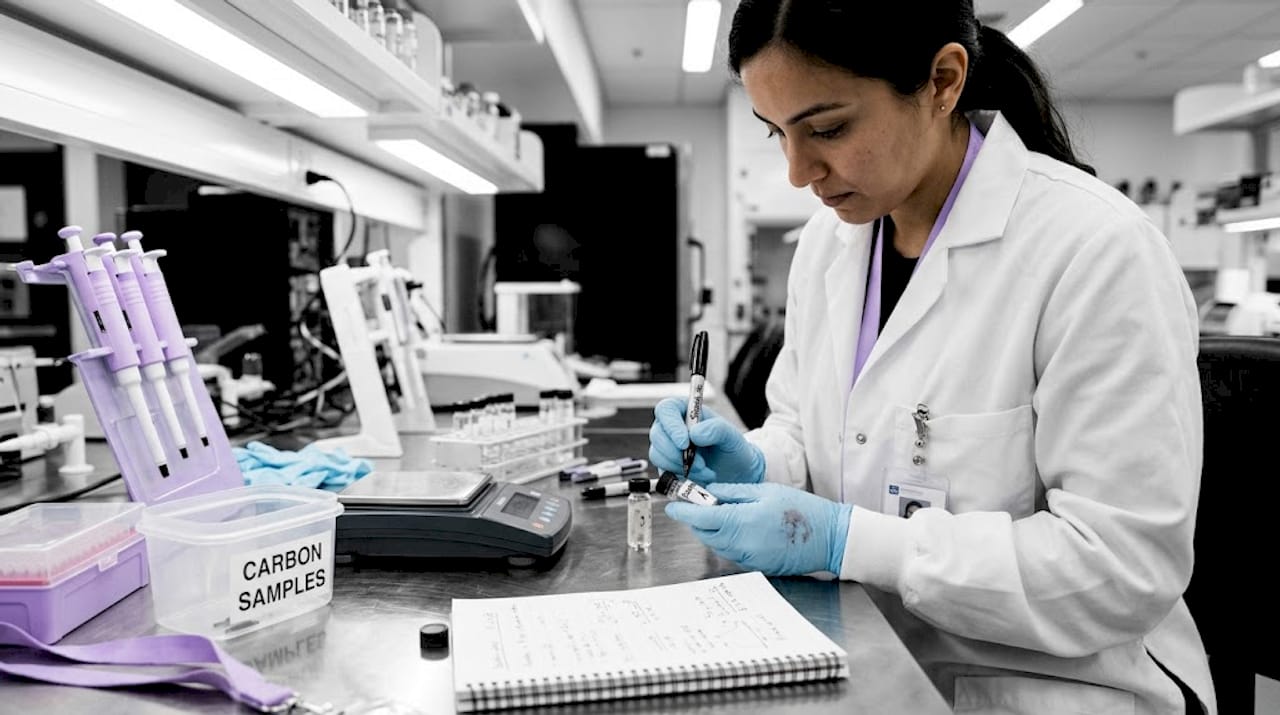
Companies claim to extract personal carbon and grow a diamond that is literally made from your loved one. Skeptics argue that after cremation, which involves temperatures above 1,400 degrees Fahrenheit, no organic carbon survives. The math matters here because a diamond is almost entirely carbon by definition. If the ashes contain zero recoverable organic carbon, the diamond was grown from lab-sourced carbon regardless of marketing language.
Claim | Source | Skeptical counterpoint |
“We extract carbon from your loved one’s ashes” | Company marketing | Cremation may destroy all organic carbon |
“Your diamond is 99% from the remains” | Company marketing | Unverified; no independent lab confirmation |
“A diamond grown from hair is more traceable” | Independent analysis | Supported; hair retains organic carbon |
“Our process is proprietary and certified” | Company marketing | Certification standards vary widely |
“DNA is preserved in the diamond” | Some providers | No peer-reviewed evidence supports DNA survival in synthetic diamonds |
The table above captures the tension at the heart of this industry. Marketing language is built to comfort and convince. Scientific scrutiny is built to question and verify. Both exist for good reasons. Families deserve comfort, and they also deserve honesty.
Here’s a sobering but practical statistic: a meaningful percentage of commemorative diamond buyers never ask their provider a single technical question. They trust the story. That trust can be entirely appropriate, especially if the provider is transparent, but only if you’ve chosen to prioritize emotional meaning over scientific verification, and you’ve made that choice consciously.
When evaluating diamond creation from DNA providers, look for those who clearly state what biological material they prefer, why, and what percentage of the finished diamond’s carbon they can trace to the submitted sample.
Pro Tip: Request a chain-of-custody document before you commit to any provider. A reputable lab will track the submitted material from the moment it arrives through every stage of the process. If a company hesitates to provide this, treat that hesitation as important information.
Choosing the right commemorative diamond: What to consider
To make this meaningful investment worthwhile, you need to ask specific, direct questions and know what the answers should look like. Here is a practical checklist and a comparison of typical provider features.
Key questions to ask every provider:
What biological material do you prefer, and why?
Can you confirm what percentage of the diamond’s carbon comes from the submitted sample?
Do you provide a chain of custody from submission to delivery?
What certification accompanies the finished diamond?
What is your policy if the sample does not yield usable carbon?
How do you handle supplemental carbon, and will you disclose it?
The authenticity of personal carbon use in diamonds is genuinely debated, so due diligence on your part is essential. Think of it the way you’d think about any major purchase involving both financial value and emotional weight.
Feature | Basic provider | Transparent provider | DNA-based provider |
Preferred sample type | Ashes | Hair or ashes | Hair or nails |
Carbon sourcing disclosure | Vague | Partial | Full |
Chain of custody | Not offered | Available on request | Standard |
Turnaround time | 6 to 12 months | 4 to 9 months | As little as 2 hours for DNA infusion |
Personalization options | Color only | Color and cut | Color, cut, setting, and engraving |
Independent certification | Rarely | Sometimes | Yes |
Notice the column labeled “DNA-based provider.” A newer approach involves infusing DNA extracted from hair or nails directly into a finished lab-grown diamond. This sidesteps the ashes controversy entirely. Because hair and nails are biologically rich, DNA extraction is reliable, and the personal connection to the diamond is verifiable in a way that ash-based approaches often are not.
For custom diamond inspiration ideas that go beyond standard cuts and colors, think about incorporating details that meant something to the person you’re honoring. A favorite color, a birthstone shade, an engraved date, or a custom setting that reflects their taste all make the memorial more personal and more meaningful.
Pitfalls to avoid:
Vague certifications. A certificate from the company that made the diamond is not independent verification. Look for third-party lab assessments.
No refund or replacement policy. Sample loss or processing failure is rare but real. Know what happens if something goes wrong.
Emotional pressure selling. Reputable providers give you time to decide. Grief makes people vulnerable, and some companies exploit that.
Undisclosed carbon supplementation. If a provider cannot confirm the percentage of personal carbon, assume it may be negligible.
These practical steps, paired with a clear understanding of the memorial diamonds guide options available to you, position you to make a decision that holds up over time, both emotionally and practically.
Why authenticity and meaning matter more than the raw material
Here is a perspective that might surprise you: in our experience working with families through the memorial jewelry process, the scientific debate about carbon sourcing almost never changes how someone feels about their diamond once it’s in their hands.
This is not a reason to dismiss the debate. Transparency and honesty still matter enormously, and providers who mislead families deserve scrutiny. But it does reveal something important about what a commemorative diamond actually is at its core.
The ritual matters. The decision to honor someone matters. The act of sitting down and choosing a color because it was their favorite, selecting a cut because it reflects their personality, writing an inscription that only your family will understand, all of this is where meaning is made. The carbon is the medium, not the message.
We’ve seen this play out in a specific, consistent way: families who are deeply involved in the creation process report higher satisfaction with their memorial diamond, regardless of the provider’s carbon sourcing practices. Families who simply submitted ashes and waited for a box to arrive sometimes felt disconnected from the result, even when the diamond was technically beautiful.
The implication is that the narrative you build around your commemorative diamond is part of what makes it sacred. A diamond infused with DNA from your father’s hair, created through a process you understood and participated in, carries a story. That story lives in your memory and in the memories of everyone you tell.
Lasting meaning in memorial jewelry comes not just from the material but from the intention, the attention, and the love poured into the decision. The science gives you a foundation. The meaning gives it a soul.
The uncomfortable truth about this industry is that some families will prioritize the story over the science, and some will demand scientific verification above all. Neither approach is wrong. What matters is that you decide consciously, with clear information in front of you, rather than drifting into a purchase you later question.
Create a unique tribute: Custom commemorative diamonds and jewelry
If this guide has helped you see commemorative diamonds more clearly, the next step is figuring out what kind of tribute genuinely fits the person you’re honoring and the relationship you shared.
Our custom jewelry design service is built around the idea that no two people are alike, and no two memorials should be either. From selecting the right biological material to choosing a setting that reflects a personality, every detail can be tailored. Browse our elegant diamond accessories collection to see what’s possible, and when you’re ready to take the next step, book a design consultation with our team. The entire DNA infusion process takes just two hours, so you leave the same day with something permanent and deeply personal.
Frequently asked questions
Are commemorative diamonds really made from ashes?
Companies claim to extract carbon from ashes, but scientific debate questions whether any usable organic carbon survives the cremation process, which means personal carbon content in the finished diamond may be minimal or unverified.
Is the diamond made entirely from my loved one’s remains?
Most diamonds require supplemental carbon to complete the growth process, and the percentage from remains can be quite small, unverified, or in the case of ashes, potentially nonexistent due to cremation temperatures.
What else can be used instead of ashes to make a commemorative diamond?
Hair, nails, and DNA extracted from personal items are all viable sources, and they often yield more reliably traceable personal carbon than cremation ashes do.
How long does the creation process typically take?
Traditional HPHT or CVD diamond growth from ashes or hair typically takes 6 to 12 months from collection to finished gem, though DNA infusion into a finished diamond can be completed in as little as two hours.
How do I verify the authenticity of a commemorative diamond?
Seek providers that offer transparent documentation, a documented chain of custody, and clear communication about carbon sourcing backed by independent third-party certification rather than in-house certificates alone.
Recommended
Comments