How diamonds hold memories: science and emotion of gems

When someone you love is gone, the instinct to hold onto something real is overwhelming. Memorial diamonds promise exactly that: a piece of them, transformed into something you can wear forever. But the reality is more nuanced than the marketing suggests, and understanding both the science and the emotion behind these gems will help you make a choice that truly honors your loved one. This article walks through what memorial diamonds actually are, what the research says, where the genuine debates lie, and how to create a keepsake that carries real meaning regardless of the carbon percentages involved.
Table of Contents
Key Takeaways
Point | Details |
Science vs. symbolism | Most memorial diamonds contain little original carbon, but offer strong emotional value. |
Emotional healing | Creating a physical keepsake like a diamond can provide closure and comfort during grief. |
Verify authenticity | Always ask providers about their sourcing and diamond creation processes for peace of mind. |
Personalize your memory | Customization and ritual make your diamond a truly unique tribute to your loved one. |
Understanding the science behind memorial diamonds
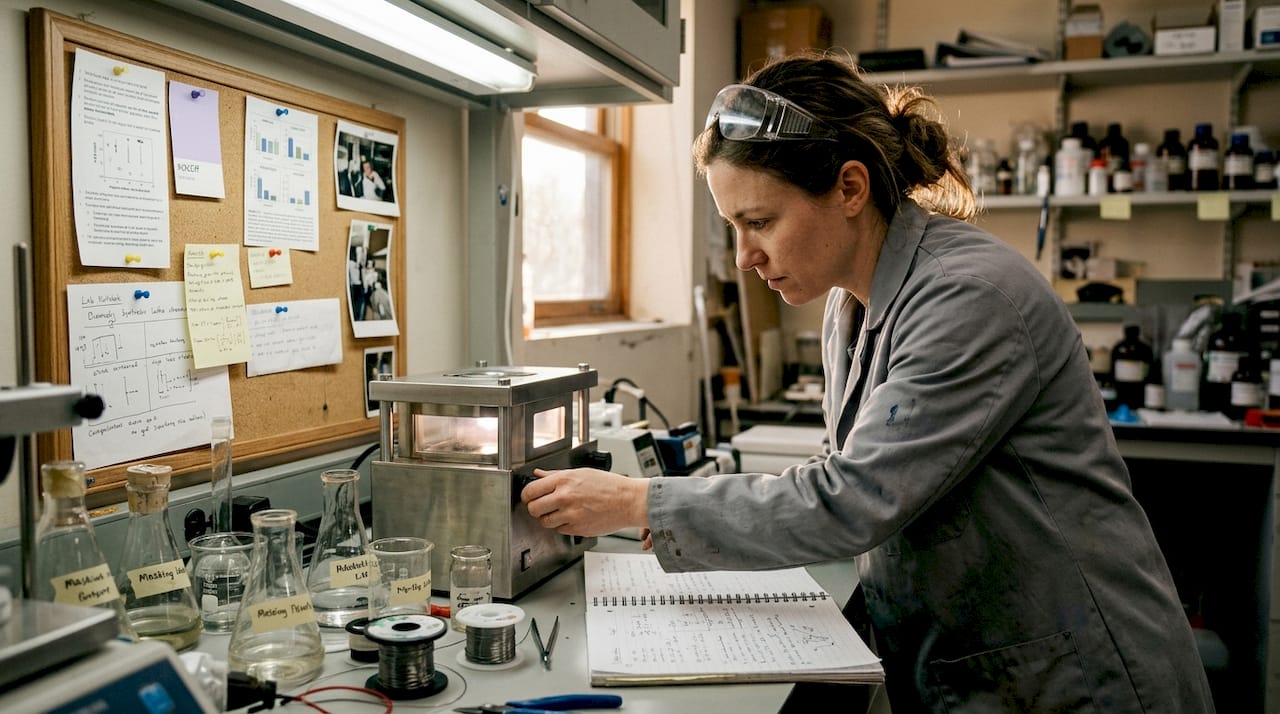
Memorial diamonds are lab-created gems made using biological material from a person, typically hair, ashes, or extracted DNA from nails. The idea is that carbon from these remains becomes the foundation of a real diamond, grown under controlled heat and pressure in a laboratory setting. It sounds like alchemy, and in some ways it is.
The basic process works like this: biological material is collected, carbon is extracted or concentrated, and then that carbon is placed into a high-pressure high-temperature (HPHT) or chemical vapor deposition (CVD) chamber where it crystallizes into a diamond over days or weeks. Companies market this as turning your loved one into a gem you can carry forever.
Here is where the science gets complicated. Cremation destroys nearly all organic carbon, leaving behind mostly calcium phosphate and minerals rather than usable carbon. The amount of original biological carbon that could realistically end up in a finished diamond is extremely small, and in many cases, companies supplement the process with external carbon sources to complete the diamond.
Carbon retention in cremated remains: what the science shows
Material | Carbon content before cremation | Carbon content after cremation |
Human bone and tissue | 18 to 23% | Less than 1% |
Hair (used for DNA diamonds) | 45 to 51% | Varies by process |
Nail clippings | 40 to 50% | Varies by process |
When hair or nail material is used instead of ashes, the carbon yield is significantly higher, which is why some providers specifically request these materials. Our own process at Shineternity works directly with DNA extracted from hair or nails, which preserves more biological material than ash-based methods.
“Very little actual body carbon makes it into the diamond when cremation ashes are the source, because the cremation process eliminates most organic compounds before synthesis even begins.”
This does not mean memorial diamonds are fraudulent. It means the physical connection is more symbolic than molecular in most cases. Understanding this distinction matters before you invest emotionally and financially in one.
Emotional connections: why people turn to diamonds for memories
Knowing the science does not diminish why people choose memorial diamonds. Grief is not a chemistry equation. The drive to hold something tangible after a loss is deeply human, and grief studies show the value of physical keepsakes in helping people process loss and find a path toward healing.
A gemstone is permanent in a way that flowers, photographs, and even urns are not. Diamonds are rated 10 on the Mohs hardness scale, the hardest natural material on earth. Wearing one feels like carrying something indestructible, which mirrors the way we want our love for someone to feel.
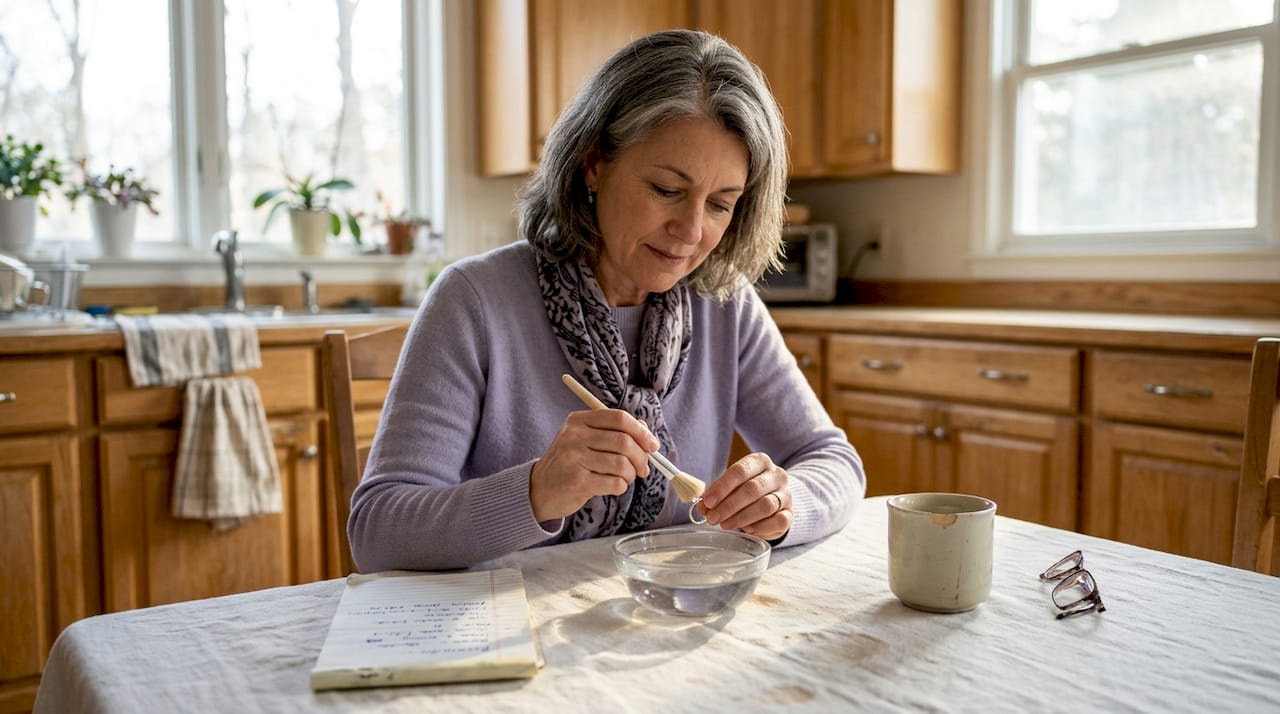
There is also the visibility factor. A ring or pendant you wear daily keeps a person present in your life in a way that a box on a shelf cannot. It becomes a conversation starter, a comfort object, and a ritual all at once.
Families choose memorial diamonds for a range of reasons:
Permanence: Unlike urns or buried remains, a diamond lasts essentially forever
Portability: You can carry your loved one with you anywhere in the world
Discretion: A diamond does not announce itself as a memorial item unless you choose to share that
Beauty: The gem becomes something you genuinely want to wear, not just preserve
Shared connection: Multiple family members can commission stones from the same source material
Exploring memory preservation practices beyond the stone itself can deepen the meaning of your memorial experience significantly.
Pro Tip: Pair your memorial diamond with a handwritten letter, a recorded voice message, or a small ceremony at the time of creation. The ritual around the stone often carries as much emotional weight as the stone itself.
Debates and realities: the truth about carbon, ethics, and authenticity
With emotional motivations in mind, it is vital to consider the practical and ethical realities surrounding memorial diamond creation. The industry is largely unregulated, and marketing claims vary widely from what science can actually support.
Companies likely supplement diamonds with external carbon sources when remains do not yield enough usable material, which raises real questions about what you are actually purchasing. Some providers are transparent about this. Others are not.
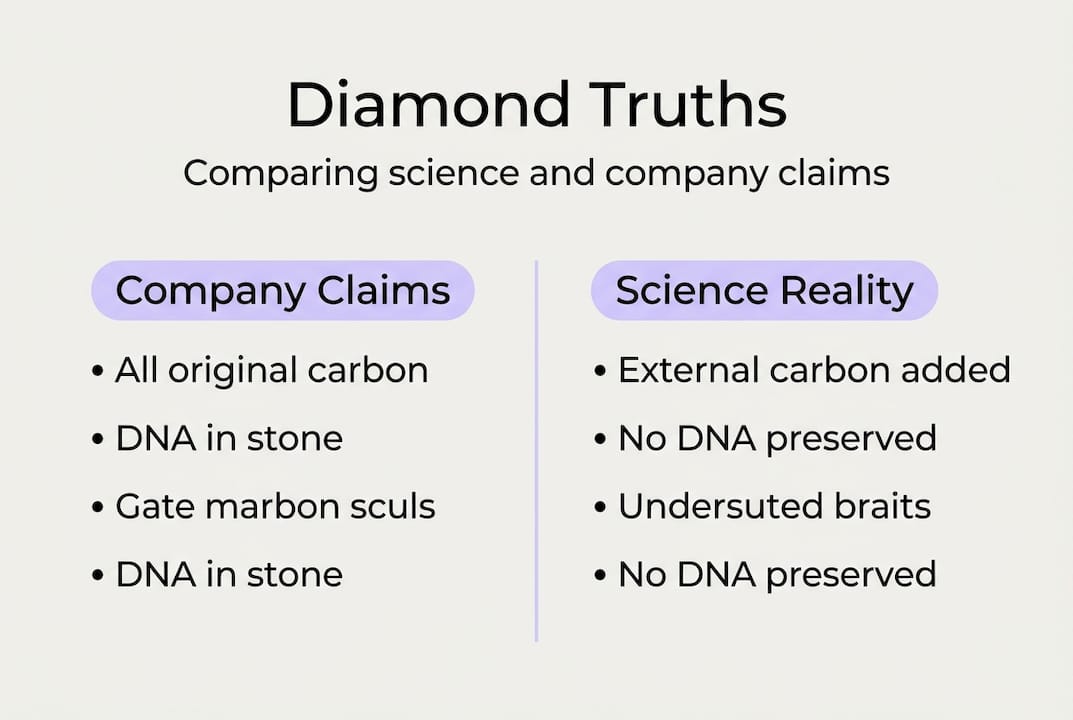
Comparing company claims vs. scientific realities
Company claim | Scientific reality |
“Made entirely from your loved one’s remains” | Often supplemented with external carbon |
“Contains your loved one’s DNA” | DNA is destroyed at high temperatures during synthesis |
“Certified authentic memorial diamond” | Certification verifies diamond quality, not biological origin |
“Your loved one lives on in this stone” | Symbolic truth, not a literal molecular claim |
Ethical concerns and calls for transparency in marketing are common across the memorial industry, and consumers deserve honest answers before making a purchase that is both emotionally and financially significant.
You can read more about memorialization ethics and what responsible providers should disclose before you commit.
Here are steps to verify a provider before you proceed:
Ask specifically what percentage of the diamond comes from your submitted material
Request documentation of the carbon extraction and synthesis process
Ask whether external carbon is ever added and under what circumstances
Confirm what certifications the finished diamond carries and what they actually certify
Check for independent reviews from families who have used the service
Due diligence protects you. A reputable company will welcome these questions rather than deflect them.
Making your memories last: tips for creating meaningful diamonds
Now that you understand both the possibilities and the limitations, here is how to make truly meaningful choices for your memorial diamond. The goal is a keepsake that feels authentic to you and to the person you are honoring, regardless of the molecular specifics.
Start by deciding what source material you want to use. Hair and nail clippings preserve more carbon and biological markers than cremated ashes, which is why they tend to produce a more traceable connection to the original person. If you have access to these materials, they are generally the better starting point.
Next, think about design. The stone itself is just the beginning. Cut, color, setting, and engraving all contribute to how personal the final piece feels.
Ways to personalize your memorial diamond:
Choose a color that reflects your loved one’s personality or a favorite color they had
Select a cut that matches the jewelry style they wore in life
Engrave a date, initials, or a short phrase on the setting or band
Commission a piece that incorporates other meaningful elements, like birthstones of family members
Consider exploring alternative memorial rituals alongside the diamond, such as planting a tree or creating a memory book
Pro Tip: Ask your provider about the full timeline before you commit. Some processes take months. At Shineternity, the entire process from DNA extraction to finished diamond takes just 2 hours, which means you are not waiting in grief limbo for a result.
Always request full disclosure on carbon sourcing and diamond creation before signing anything. A provider who cannot answer your questions clearly is a provider worth reconsidering.
Finally, think beyond the physical stone. The stories you tell about the person, the rituals you build around the gem, and the way you choose to carry their memory forward matter just as much as what is inside the diamond.
Why the real value of diamonds is the story you create
Here is something the industry rarely says out loud: the carbon percentage inside a memorial diamond is almost irrelevant to the comfort it provides. We have seen families treasure stones that contained trace amounts of their loved one’s material just as deeply as those with higher concentrations. The stone becomes meaningful because of what you decide it represents, not because of what a lab report says.
This is not a reason to accept dishonest marketing. Transparency still matters. But it is a reason to stop measuring the value of your memorial by scientific purity. Grief does not work that way. Love does not work that way.
The most powerful thing about a memorial diamond is the story you attach to it. The moment you decided to create it. The person it represents. The way creating meaningful memories through ritual and intention shapes how we heal. That story lives in the stone because you put it there, and no laboratory process can replicate or diminish it.
Transform memories into lasting diamonds with Shineternity
If you are ready to honor someone you love with a diamond that carries their biological signature, Shineternity makes that process personal and fast. We infuse DNA extracted directly from hair or nail clippings into a finished diamond, and the entire process takes just 2 hours from start to finish.
You can explore our immortalize diamond service to see exactly how the process works, or browse our memorial brilliance diamond collection for finished pieces ready to be personalized. Whether you are honoring a parent, a partner, a child, or a beloved pet, our diamond keepsakes are designed to carry that connection forward in a way that is both beautiful and lasting.
Frequently asked questions
How much of a loved one is really in a memorial diamond?
Very little original carbon from cremated remains makes it into the final stone, since cremation destroys nearly all organic carbon. Using hair or nail material instead of ashes preserves significantly more biological content.
Are memorial diamonds scientifically proven to contain my loved one’s DNA?
No. The extreme heat involved in diamond synthesis destroys DNA, so organic carbon is almost completely lost during the creation process. The connection is symbolic and emotional rather than genetic.
What questions should I ask a memorial diamond provider?
Always ask about carbon sourcing, whether external carbon is added, and what certifications actually verify. Full disclosure on carbon sourcing and creation methods is the baseline standard for any reputable provider.
Is choosing a memorial diamond ethical?
Ethical concerns around transparency in marketing are real in this industry, so the ethics depend heavily on the provider you choose. Select companies that answer your questions openly and provide clear documentation of their process.
Recommended
Comments